Filipino Cuisine Advocates Push for UNESCO Heritage Recognition
Culinary historians, chefs, and cultural agencies are preparing a bid to inscribe Filipino foodways — from adobo to kinilaw — on UNESCO’s Intangible Cultural Heritage list by 2028.
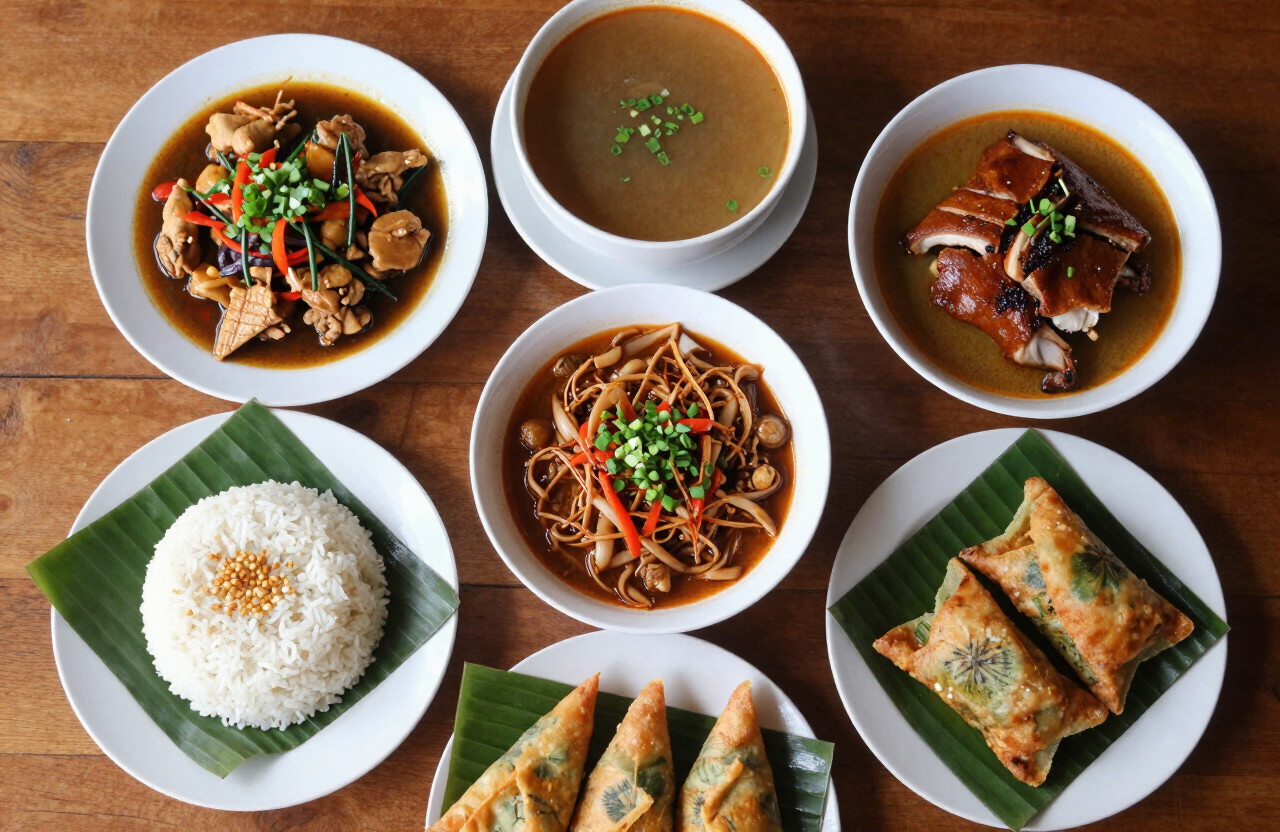
MANILA — A coalition of culinary historians, chefs, and cultural workers is preparing a formal bid to inscribe Filipino foodways on UNESCO’s Representative List of the Intangible Cultural Heritage of Humanity, targeting a 2028 inscription.
The nomination, coordinated with the National Commission for Culture and the Arts, will document not just dishes but the practices around them — from the souring traditions behind sinigang and kinilaw to communal boodle fights and fiesta cooking.
Advocates point to the successful inscriptions of Japanese washoku, Korean kimjang, and the French gastronomic meal as precedents, while stressing that the Filipino bid will center home cooks and indigenous communities rather than restaurant cuisine.
Our cuisine carries our history — trade, migration, resilience — in every sour, salty, and savory note. That story deserves the world’s protection.
The documentation phase begins in October with field research across 16 regions, including recording heirloom recipes from elder cooks in Ilocos, Pampanga, Bicol, and Mindanao.
If successful, the Philippines would join more than 30 countries whose culinary practices hold UNESCO intangible heritage status.