Nepal-Tibet Flash Floods Kill At Least 160, Hundreds Still Missing as Rescue Operations Continue
Devastating flash floods and landslides along the Nepal-Tibet border have killed at least 160 people and left hundreds unaccounted for, with rescue crews scrambling to reach affected communities. The disaster, which struck on Wednesday, has prompted international aid offers and ongoing search operations.
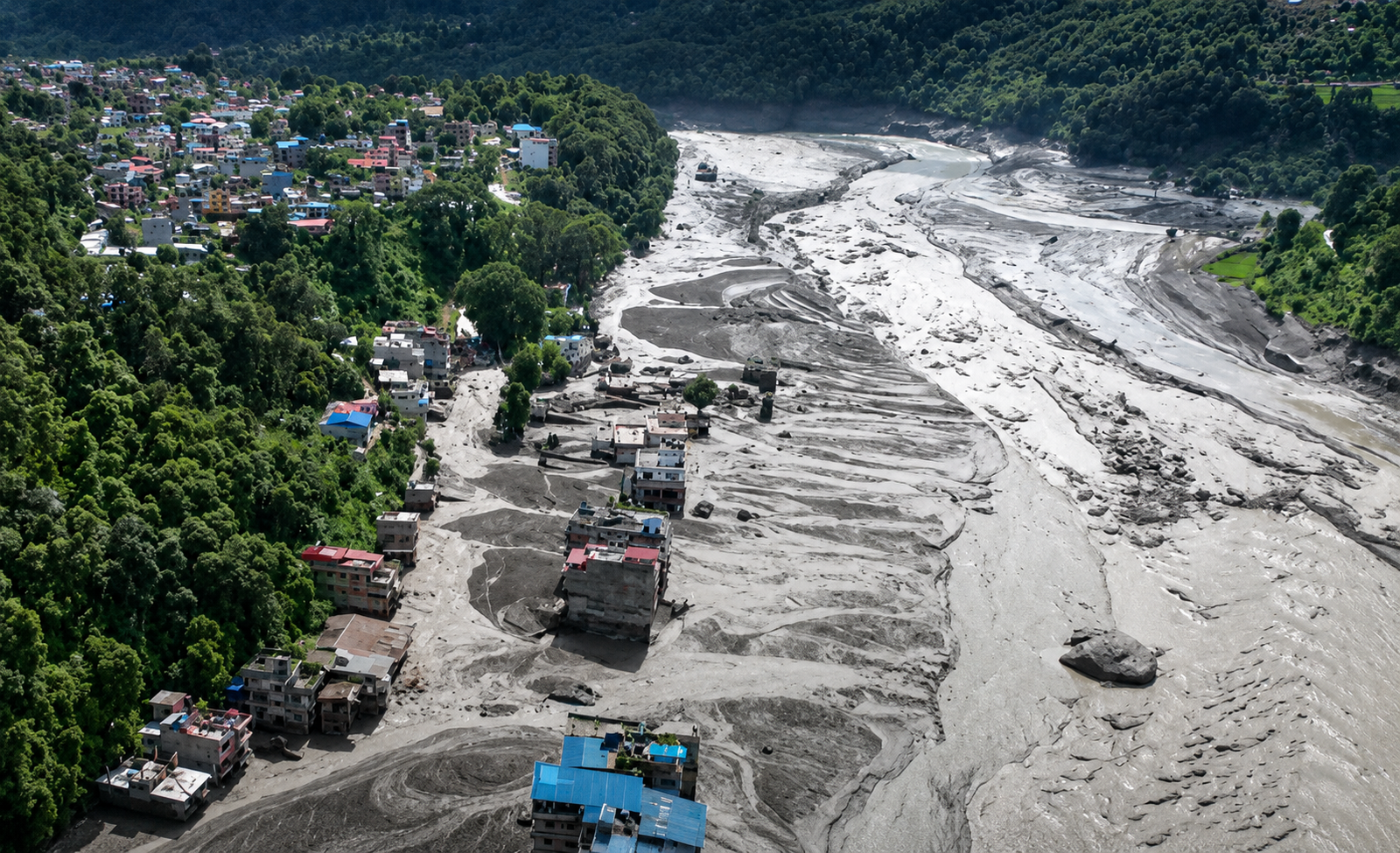
Rescue teams were racing Thursday to locate hundreds of people unaccounted for following catastrophic flash floods and landslides that struck the Nepal-Tibet border on Wednesday, killing at least 160 people and sweeping away villages and infrastructure. The death toll has climbed significantly from the 98 initially reported as authorities continued to recover bodies and assess the full extent of the destruction. Floodwaters and landslides caused widespread damage to communities and critical infrastructure on both sides of the border, severely complicating rescue and recovery efforts. Among those unaccounted for are 468 tourists and travelers, including 393 foreigners, who remained out of contact as of Thursday morning, according to Nepali authorities. Nearly 400 Tibet-bound pilgrims, predominantly Indian nationals along with 93 Nepalis, were preparing to cross into Tibet when flash floods swept away roads and infrastructure in the Rasuwa district. Scientists and officials have been working to determine the precise cause of the disaster. The US Geological Survey reported that a glacial collapse triggered seismic activity and caused catastrophic downstream impacts in both Nepal and Tibet. Separately, Nepali officials said a Tibet earthquake may have caused a glacial outburst, while other experts pointed to an ice avalanche and the subsequent formation and bursting of a debris lake in the Bhotekoshi river area in Rasuwa as a possible trigger. The floods struck Trishuli Bazar in Nepal's Nuwakot district, among other areas, partially submerging houses in muddy water and cutting off communities from outside assistance. The disaster has caused significant disruption to transport and communications networks, further hampering relief efforts. International support has begun to materialize in response to the crisis. The United States government expressed condolences and pledged $500,000 in emergency assistance. India, China, and the World Bank also offered support as Nepal sought answers about the flood's origins. Experts noted that the extreme topography of the Himalayan region makes its communities especially vulnerable to flash floods and landslides, a risk that is amplified during monsoon season. The incident is among the most severe weather-related disasters to affect the region in recent memory, underscoring the ongoing dangers faced by mountain communities and travelers along high-altitude border routes. Authorities on both sides of the Nepal-Tibet border continued coordinating rescue operations as the search for survivors and the missing pressed on into Thursday.